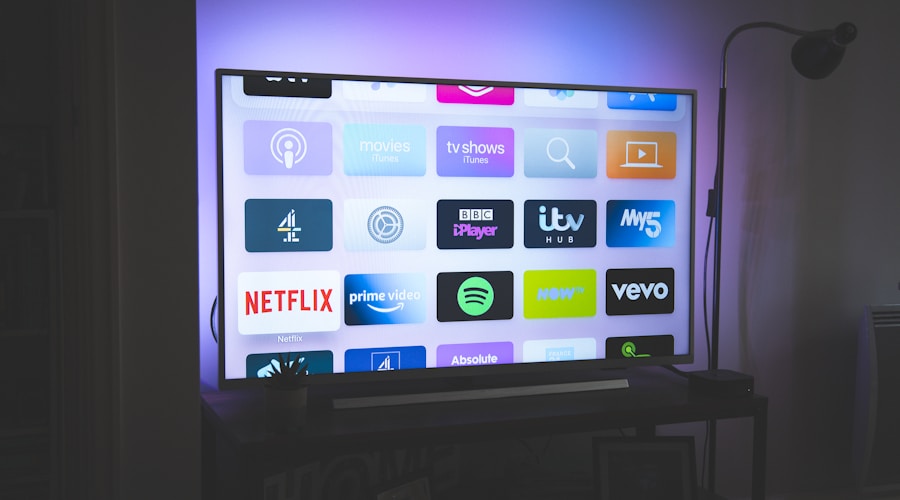
The golden age of home entertainment is right now. With 4K HDR projectors under $1,000, soundbars that rival cinema audio, and streaming services delivering Dolby Vision and Atmos, building a home theater has never been more accessible — or more confusing. This guide cuts through the marketing jargon to help you build a setup that delivers genuine cinema-quality experiences at home.
Understanding the Tech: What Actually Matters
Before buying anything, understand the three pillars of home theater quality:
1. Resolution and HDR
4K (3840 x 2160) is the standard. Do not buy a 1080p display in 2026. But resolution is just the beginning. HDR (High Dynamic Range) matters more than resolution for perceived image quality. Look for displays supporting Dolby Vision or HDR10+. These formats use dynamic metadata to adjust brightness and color scene by scene, producing dramatically better images than standard HDR10.
2. Audio
Good audio transforms the viewing experience more than any visual upgrade. The minimum viable setup is a 2.1 soundbar (left, right, subwoofer). For a true cinema experience, aim for 5.1 (adding center, rear left, rear right) or 7.1.4 Dolby Atmos (adding height channels for overhead sound).
3. Room Acoustics
Your room matters as much as your equipment. Hard surfaces (bare walls, tile floors) create echoes that muddy dialogue. Soft surfaces (curtains, rugs, upholstered furniture) absorb sound and improve clarity. A $500 soundbar in a well-treated room will outperform a $5,000 system in an echo chamber.
Display Options: TV vs Projector
OLED vs QLED vs Mini-LED
The three dominant display technologies each have trade-offs:
- OLED: Perfect blacks, infinite contrast, gorgeous colors. Best for dark rooms. Downside: lower peak brightness and risk of burn-in with static images (news tickers, game HUDs). Pricey above 65 inches.
- QLED (Samsung): Extremely bright, vivid colors, no burn-in risk. Best for bright rooms. Downside: blacks are not truly black — you get dark gray. Less dramatic HDR impact.
- Mini-LED: The best of both worlds. Thousands of tiny LED backlight zones provide near-OLED blacks with QLED brightness. The sweet spot for most buyers in 2026.
Projector vs TV
For screens above 80 inches, projectors become cost-effective. A $1,500 4K projector can produce a 120-inch image — a 120-inch TV would cost $20,000+. Modern projectors like the Epson LS800 and Optoma CinemaX P2 offer laser light sources, 4K resolution, and HDR support.
Projectors require light control. In a bright room, even a high-end projector looks washed out. If you cannot control ambient light, stick with a TV.
Audio Systems: From Soundbar to Atmos
Entry Level: Soundbar (Under $500)
A 2.1 or 3.1 soundbar is a massive upgrade over TV speakers. The Sonos Beam Gen 2 and Vizio V Series offer excellent value. Look for HDMI eARC support — it allows the TV to send high-quality audio (including Dolby Atmos) to the soundbar.
Mid Range: 5.1 System ($500-$1,500)
A dedicated 5.1 system with a receiver, bookshelf speakers, and a subwoofer delivers a genuine surround sound experience. The Denon AVR-S760H receiver paired with Klipsch Reference speakers is a proven combination. This is where the cinema experience truly begins.
High End: Dolby Atmos ($1,500+)
Dolby Atmos adds height channels, creating a three-dimensional sound field. Sound moves above and around you, not just left and right. Systems like the Sony HT-A9 or a custom 7.1.4 setup with in-ceiling speakers deliver the most immersive audio experience available outside a commercial cinema.
Streaming Devices: The Source Matters
Your streaming device determines the maximum quality you can receive. Built-in TV apps are often outdated and underpowered. A dedicated streaming device provides better performance and more frequent updates.
- Apple TV 4K (2025): The gold standard. Fast, well-supported, and handles Dolby Vision and Atmos flawlessly. The best user interface in streaming.
- Roku Ultra (2025): The value pick. Supports all major HDR formats and Dolby Atmos. Simpler interface than Apple TV but equally capable.
- NVIDIA Shield TV Pro: The geek's choice. AI upscaling makes 1080p content look near-4K. Supports GeForce Now cloud gaming.
The Room: Your Most Important Component
Even the best equipment underperforms in a bad room. Here are the basics of room optimization:
- Lighting: Install blackout curtains. Ambient light is the enemy of contrast. If you use a projector, light control is non-negotiable.
- Seating distance: For a 65-inch 4K TV, sit 5-8 feet away. For 120-inch projector, sit 12-16 feet away. Too close and you see pixels. Too far and you lose immersion.
- Acoustic treatment: Add rugs, curtains, and upholstered furniture. If budget allows, acoustic panels on walls dramatically improve dialogue clarity.
- Cable management: Plan cable runs before mounting anything. In-wall rated cables for permanent installations. Wire channels for surface mounting.
Recommended Setups by Budget
Budget Build ($1,000-$2,000)
65-inch Mini-LED TV (TCL QM7 or Hisense U8), Vizio V Series 5.1 soundbar, Apple TV 4K. This setup delivers 90% of the cinema experience at 10% of the cost.
Enthusiast Build ($3,000-$5,000)
77-inch OLED (LG C4 or Sony A95L), Denon AVR-S760H receiver, Klipsch Reference 5.1 speaker system, Apple TV 4K. This is the sweet spot of performance and value.
Home Theater ($8,000+)
120-inch projector setup (Epson LS800 or Sony VPL-XW5000), 7.1.4 Dolby Atmos speaker system, dedicated AV receiver (Denon AVR-X3800H), acoustic treatment, motorized screen. This rivals commercial cinemas.
The Bottom Line
Building a great home theater is not about spending the most money. It is about making smart choices at each level of the system. A well-matched budget system in a good room will always outperform a mismatched high-end system in a bad room.
Start with the room. Then choose a display that fits your space and lighting. Add audio that matches your room size. Use a dedicated streaming device. And remember: the goal is not to replicate a commercial cinema. It is to create a space where you genuinely enjoy watching movies, shows, and games. The best home theater is the one you actually use.
Enjoyed this article? Subscribe to VibeStream for more streaming guides, entertainment analysis, and digital lifestyle content. Browse more stories →